Physical Address
304 North Cardinal St.
Dorchester Center, MA 02124
Physical Address
304 North Cardinal St.
Dorchester Center, MA 02124

Ever found yourself in the kitchen, recipe in hand, staring at a mysterious tool called a pastry brush? You’re not alone.
This little gadget might seem simple, but it can be your secret weapon for elevating your baking and cooking game. Imagine creating perfectly golden pastries, evenly coated meats, and dazzling desserts that look like they came straight out of a professional bakery.
Curious about how a small brush can make such a big difference? Keep reading to discover how mastering the art of using a pastry brush can transform your culinary creations and give your dishes that extra touch of magic.

The pastry brush is a small yet essential tool for baking. It offers precision in various tasks, making it indispensable in the kitchen. Its versatile nature allows bakers to enhance their creations effortlessly. Whether spreading egg wash or glazing pastries, this tool proves its worth.
Egg wash gives baked goods a golden finish. The pastry brush makes application easy. Dip the brush into the egg wash. Lightly coat the surface of your dough. This ensures even coverage. The result is a shiny, appetizing appearance.
A pastry brush minimizes waste. It controls the amount applied. This precision helps achieve the desired effect. The brush’s soft bristles are gentle on delicate doughs. It preserves the texture while adding color.
Glazing adds a sweet touch to pastries. The pastry brush distributes glaze smoothly. It creates an appealing glossy surface. Simply dip the brush in your glaze. Apply with gentle strokes for uniform coverage.
The brush allows creative freedom. You can control the thickness of the glaze. This helps enhance flavor and aesthetics. The pastry brush ensures a professional finish. It transforms ordinary baked goods into delightful treats.
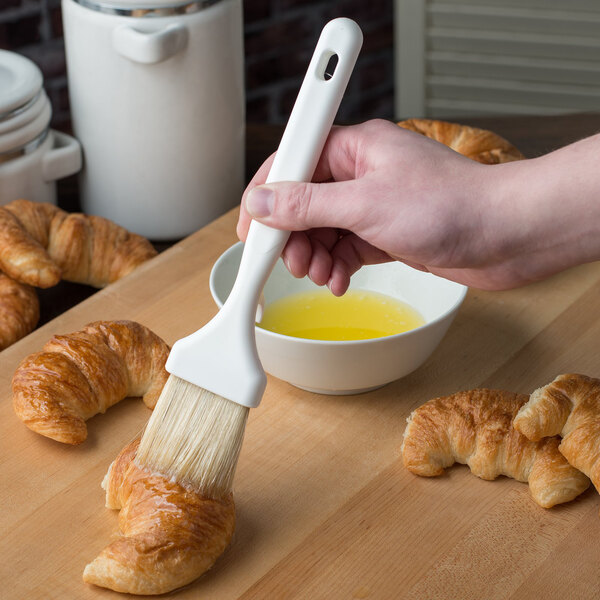
The pastry brush is versatile in cooking and roasting. It helps enhance flavors and textures in various dishes. Whether it’s meats or vegetables, it can transform your meals.
Basting is key for juicy meats. A pastry brush evenly coats the surface. It keeps the meat moist during roasting. You can apply oils, butter, or sauces with ease. A gentle swipe of the brush does wonders. It lets flavors seep into every nook.
Marinades add depth to your dishes. The brush ensures even application. It reaches every part of the meat. This enhances the taste and aroma. No corner is left untouched. The brush spreads marinades efficiently. Even layers mean consistent flavor.
Pastry brushes are handy for more than just baking. They help apply oil to pans, keeping them non-stick. Cleaning small gadgets or dusting flour off surfaces also becomes easy with these versatile tools.
Pastry brushes are not just for baking. They have a surprising number of non-food uses that can make your life easier. If you’ve ever wondered how to make the most of this handy tool, read on to discover unexpected ways a pastry brush can be your new best friend around the house.
A pastry brush is perfect for cleaning appliances. It can reach the tight spots in your toaster or coffee grinder that a cloth or sponge can’t easily access. Its soft bristles gently remove crumbs and dust without scratching surfaces. Imagine never having to shake your toaster upside down again! Have you tried cleaning your keyboard with a pastry brush? It’s great for whisking away dust and crumbs that accumulate between the keys. You’ll be amazed at how much debris lurks there.
Pastry brushes are excellent for dusting flour off surfaces or dough. If you’ve ever baked bread, you know how flour tends to get everywhere. A pastry brush helps you tidy up quickly. You can also use it to dust excess flour off baked goods before serving. This can enhance the appearance of your dish, making it look as good as it tastes. Have you ever thought about using a pastry brush to dust flour from your cutting board? It’s a quick way to clean up and prepare for your next culinary creation. What other non-food uses can you think of for a pastry brush? Keep one handy and you might find even more creative ways to use it.
Choosing the right pastry brush can greatly impact your baking. Different brushes serve various purposes in the kitchen. Understanding these differences can help you make an informed choice. This section will guide you through selecting a pastry brush that suits your needs.
Natural bristles are often made from boar hair. They hold liquids well and provide smooth application. Bakers prefer them for buttering and glazing. Yet, they can shed bristles over time. Cleaning them requires more care to prevent damage.
Synthetic bristles are made from nylon or silicone. They are durable and easy to clean. They don’t absorb liquids as well as natural bristles. But they are dishwasher safe and more hygienic. Choose synthetic if you need a low-maintenance option.
Pastry brushes come in various sizes and shapes. Small brushes work well for delicate tasks. For example, spreading egg wash on pastries. Large brushes cover bigger areas quickly. Use them for greasing pans or basting meats.
The shape of the brush matters too. Flat brushes offer better control and precision. Round brushes are ideal for spreading thick sauces. Pick a shape based on your specific baking needs.
A pastry brush spreads melted butter on baked goods, adding flavor and moisture. It also glazes meats with marinades, enhancing taste and appearance. Keeping it clean ensures hygiene and longer use.
Maintaining your pastry brush is crucial for its longevity and effectiveness in the kitchen. A well-cared-for brush ensures that your culinary creations are just as you intended—perfectly glazed, evenly coated, and free from unwanted flavors. Let’s dive into some practical tips to keep your pastry brush in top shape.
Cleaning your pastry brush immediately after use prevents food particles and oils from hardening. Use warm soapy water and gently scrub the bristles with your fingers. Make sure to rinse thoroughly to remove any soap residue, which could affect the taste of your next dish. For brushes with natural bristles, avoid submerging them in water for long periods, as this can weaken the glue holding the bristles. If your brush is dishwasher safe, secure it on the top rack to prevent damage. For a deeper clean, especially after using the brush with fatty substances like butter or oil, consider using a mixture of baking soda and water. This helps break down any stubborn residues.
Proper storage of your pastry brush can prevent damage and extend its life. Always ensure the brush is completely dry before storing it to avoid mold or mildew. Store it in a drawer or hang it up in a cool, dry place. Keeping it away from direct sunlight prevents the bristles from becoming brittle. If you have a collection of brushes, consider a utensil organizer to keep them separate and prevent the bristles from bending. Remember, a well-stored brush is always ready for your next baking adventure. Taking care of your tools is as important as using them. How do you currently maintain your kitchen gadgets? Share your tips or experiences in the comments below!
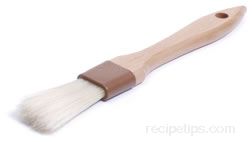
A pastry brush is used to apply liquids. You can brush egg wash, butter, or glazes on pastries. This enhances the flavor and appearance. It’s also used to remove excess flour or sugar from dough. This simple tool ensures even coating and a professional finish.
Yes, a pastry brush is perfect for spreading oil. It ensures even distribution on your baking sheets and pans. This prevents sticking and promotes browning. You can also use it to coat vegetables or meats with oil. This helps in achieving a crisp and flavorful finish.
Pastry brushes come in different types, including silicone and natural bristle. Silicone brushes are heat-resistant and easy to clean. Natural bristle brushes offer a softer touch and are ideal for delicate pastries. Choosing the right brush depends on your specific cooking needs and preferences.
Not all pastry brushes are dishwasher safe. Silicone brushes are usually dishwasher friendly and easy to clean. Natural bristle brushes often require hand washing to maintain their quality. Always check the manufacturer’s instructions to ensure proper care for your pastry brush.
A pastry brush is a handy tool in every kitchen. It spreads liquids smoothly on food surfaces. Perfect for glazing pastries or basting meats. Keeps dishes tasty and moist. Cleaning is simple with warm soapy water. Choose brushes with natural or silicone bristles.
Each type suits different cooking tasks. Silicone is heat-resistant, natural bristles offer precision. Use it for applying egg wash or melted butter. Great for barbecues or baking sessions. A small tool with big impact on cooking. Try it for better flavor and presentation.
A pastry brush truly enhances your culinary skills.


