Physical Address
304 North Cardinal St.
Dorchester Center, MA 02124
Physical Address
304 North Cardinal St.
Dorchester Center, MA 02124

When it comes to flagship smartphones in 2025, two giants continue to dominate the market: Apple’s iPhone 17 Pro Max and Samsung’s Galaxy S25 Ultra. Both are technological marvels packed with cutting-edge hardware, powerful cameras, and premium design. But which one is the better choice for you?
In this comprehensive comparison, we’ll break down performance, display, camera, battery, software experience, ecosystem advantages, pricing, and real-world usage — so you can make an informed buying decision with confidence.
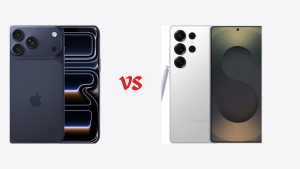
📌 Apple iPhone 17 Pro Max (2025) – Available on Amazon:
➡️ Buy Apple iPhone 17 Pro Max on Amazon (256 GB)
➡️ Buy Apple iPhone 17 Pro Max on Amazon (512 GB)
📌 Samsung Galaxy S25 Ultra (256GB/512GB) – Available on Amazon:
➡️ Buy Samsung Galaxy S25 Ultra on Amazon (256 GB)
➡️ Buy Samsung Galaxy S25 Ultra on Amazon (512 GB)
Apple has refined the iPhone design with a premium, minimalist look. The device features a glass body with metal accents and robust water/dust resistance — ideal for daily wear and tear. Apple’s build quality has always focused on premium feel and lasting durability.
Samsung’s S25 Ultra carries a sleek and polished build with a metal-and-glass body that feels modern and futuristic. The S25 Ultra also includes durability features like Corning Gorilla Armor and IP68 rating for water and dust protection, putting it on par with Apple.
Verdict: Both phones feel premium and durable, but Samsung edges slightly ahead in sheer screen coverage and futuristic design.
| Feature | iPhone 17 Pro Max | Galaxy S25 Ultra |
|---|---|---|
| Display Type | Super Retina OLED | Dynamic LTPO AMOLED 2X |
| Size | ~6.9 inches | 6.9 inches |
| Refresh Rate | 120Hz adaptive | 120Hz adaptive |
| Resolution | High-res OLED | QHD+ 1440 × 3120 |
| Brightness & HDR | True Tone + HDR support | HDR10+ + ~2600 nits peak |
Samsung has long led in vivid, bright, and high-refresh displays. Many reviewers point out its brighter panels and smoother animations — especially in high-motion content like gaming or scrolling.
Verdict: For pure display power, Samsung’s panel gets the slight edge thanks to dynamic brightness and contrast.
Apple continues its tradition of leading mobile chip performance with the A19 Pro chip, designed for blazing-fast speed and long-term efficiency. Apple’s tight hardware-software integration ensures iOS stays smooth, lag-free, and optimized for years.
Samsung’s S25 Ultra typically ships with the Snapdragon 8 Elite processor (in most markets), which delivers strong multi-core performance, excellent graphics, and AI-enhanced tasks. While its multi-core scores rival or exceed Apple’s, iPhones still tend to win in single-core responsiveness and overall system smoothness.
Verdict:
💨 Apple wins performance in everyday use and optimized apps.
⚙️ Samsung shines in multi-tasking and Android-specific customization.
Apple’s camera system focuses on natural colours, dynamic range, and cinematic video features. Photos are consistent across scenarios, and video prowess remains among the industry’s best — especially for creators who care about professional-grade footage.
Samsung typically dominates in versatility and zoom. The S25 Ultra packs a 200 MP sensor and up to 10× optical zoom, making it perfect for photography enthusiasts who want variety in framing and shot types.
Verdict:
📸 Samsung for zoom and sheer megapixels.
🎥 Apple for video quality and natural colours.
The iPhone 17 Pro Max delivers excellent battery life thanks to efficient chip design and iOS power management. Tom’s Guide lists it among the longest-lasting phones of 2025 — often outlasting Samsung under similar workloads.
The Galaxy S25 Ultra usually has a 5000 mAh large battery, coupled with faster wireless and wired charging speeds — a point where Samsung often has an advantage.
Verdict:
🔋 Samsung: faster charging + large battery.
⚡ iPhone: longer real-world endurance.
Apple’s iOS is known for its simplicity, security, and long software support (often 6+ years). The ecosystem extends flawlessly across Apple devices — MacBooks, iPads, Apple Watch, and AirPods — creating a deeply integrated experience.
Samsung’s One UI on top of Android gives tons of customization, flexibility, and features Android users love. Samsung promises up to 7 years of updates on flagship models — narrowing the long-standing advantage Apple once held.
Verdict:
🍎 iOS for seamless multi-device use.
🤖 Android for customization and freedom.
Flagship iPhones usually command premium pricing, while Samsung often offers competitive pricing with discounts or wider storage variants.
iPhone 17 Pro Max starting price high, justified by ecosystem + performance.
Samsung Galaxy S25 Ultra often shows discounts on platforms like Amazon and may include extras like the S Pen.
Verdict:
💡 Samsung is better value-for-money at launch, while Apple holds resale value and long-term update support.
Here’s a quick recommendation based on user type:
👉 Buy iPhone 17 Pro Max if you want:
Smoothest performance and long software support
Best video recording and creator features
Strong Apple ecosystem
✔️ Ideal for content creators, professionals, and Apple loyalists
👉 Buy Samsung Galaxy S25 Ultra if you want:
Best display and refresh rates
Largest camera versatility with high MP and zoom
Custom interfaces and Android flexibility
✔️ Ideal for gamers, photographers, and Android fans
⭐ Overall Winner: It depends on your priorities.
If ecosystem, video quality, and long-term performance matter most — iPhone 17 Pro Max is the smarter pick.
If display brilliance, camera versatility, and customization are your top priorities — Samsung Galaxy S25 Ultra stands out.
Both devices are among the best smartphones in 2025, but catering to slightly different kinds of users.
This article contains Amazon affiliate links. If you buy through these links, we may earn a small commission at no extra cost to you — helping us bring you more unbiased tech comparisons.


